
Gas Tracer Leak Detection
Tracer gas leak detection is a highly accurate, non-invasive method used to locate hidden leaks within water and central heating pipework. A specialist hydrogen and nitrogen tracer gas mixture is introduced into the pipework, allowing our engineers to detect where gas is escaping and pinpoint the likely location of the leak.
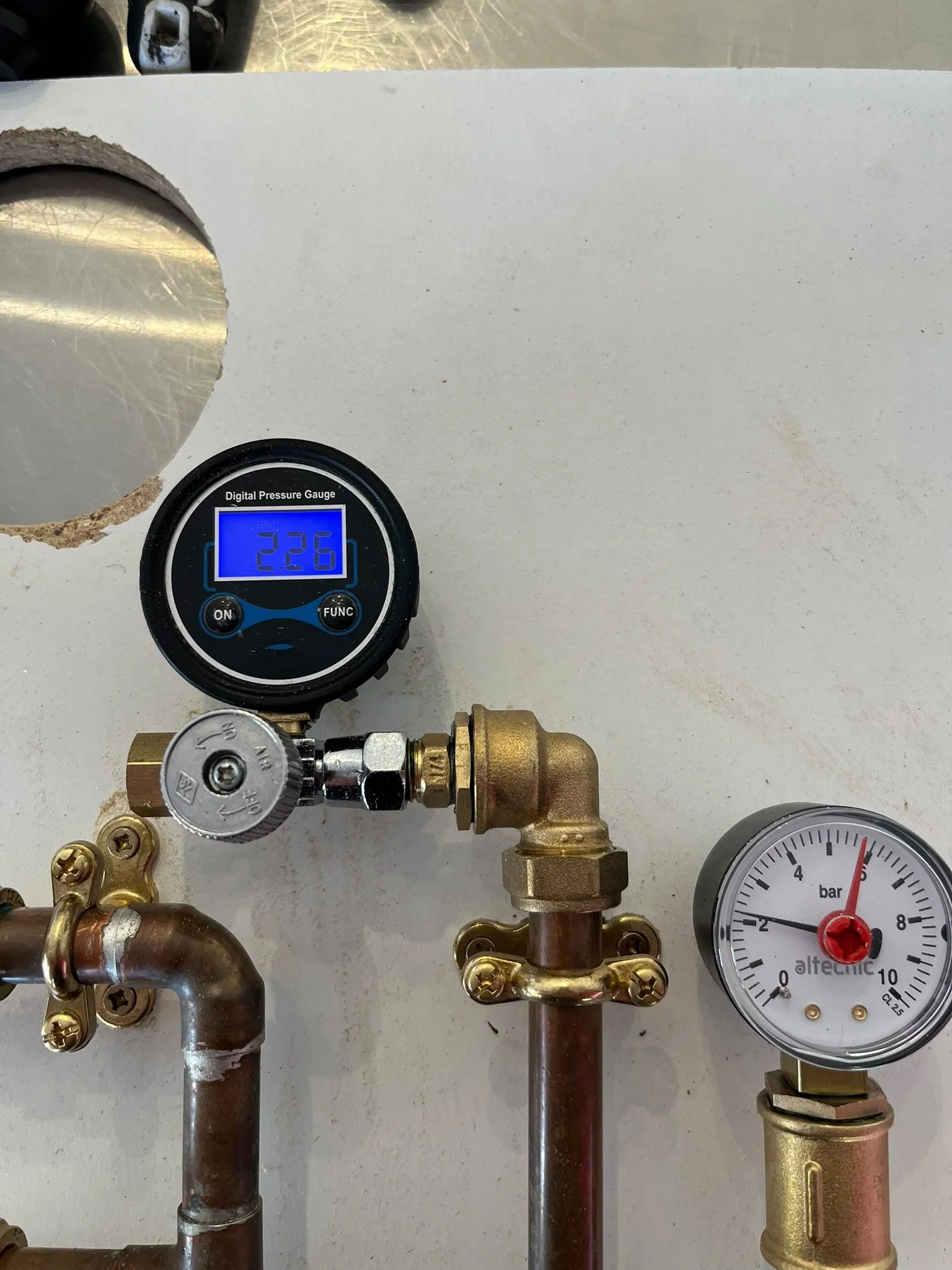
At Maystone Leak Detection, we use a specialist tracer gas mixture designed for detecting hidden leaks. The water within the section of pipework being investigated is replaced with tracer gas, which is then introduced into the system under controlled pressure.
The gas contains very small molecules that can escape through tiny openings in damaged pipework and travel upwards through porous building materials such as concrete, screed and tarmac. Our engineers use specialist detection equipment above the surface to identify where the tracer gas is escaping.
This makes tracer gas particularly useful for locating leaks beneath floors, driveways and other areas where the pipework cannot easily be accessed.
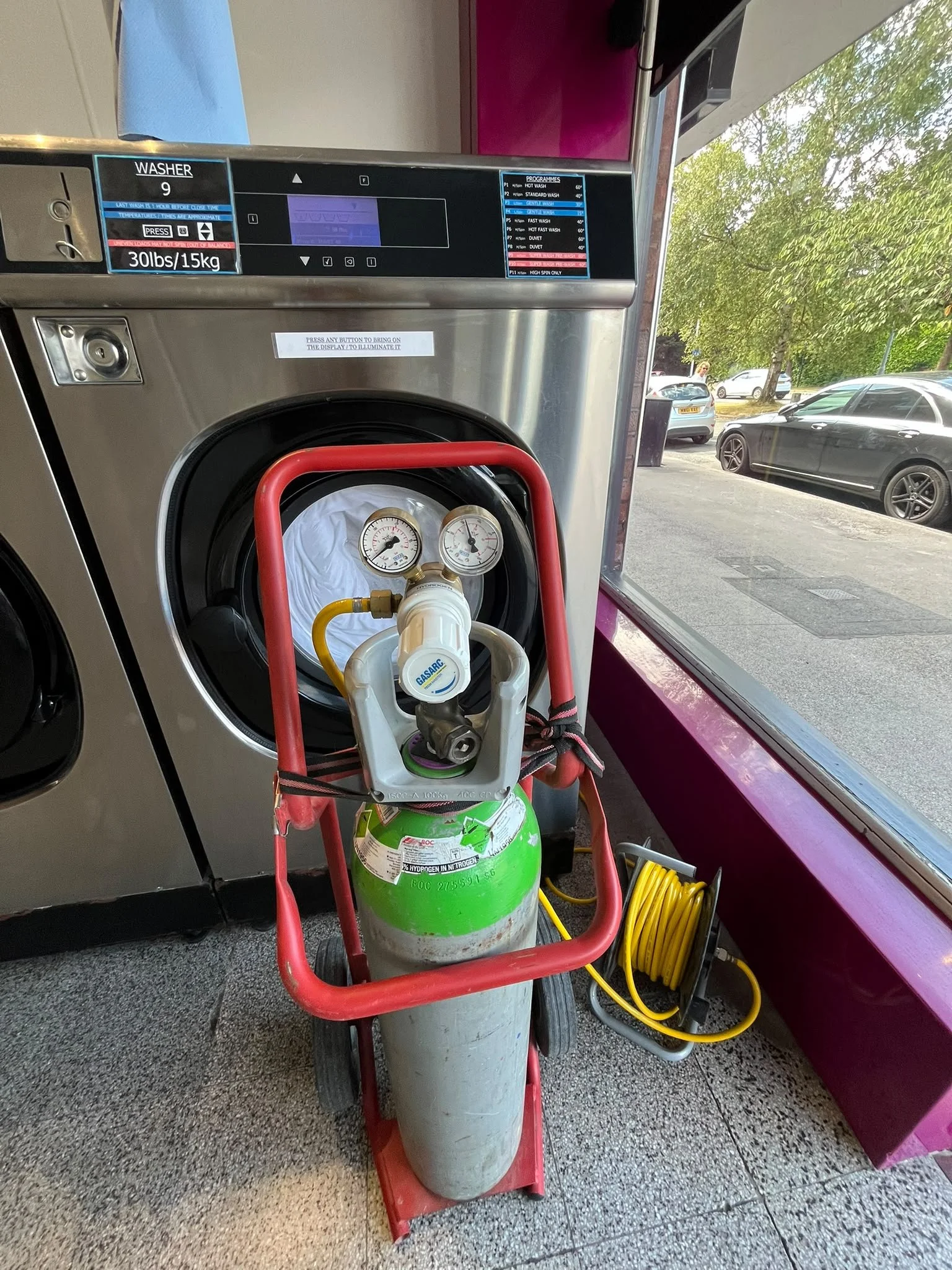
Technology:
Gas Tracer
Best for: Accurately locating difficult-to-find leaks within concealed and underground pipework.
Invasive or Non-invasive: Non-invasive
Detects: Small and larger leaks beneath floors, driveways and roads, behind walls and within concealed pipework.
Suitable pipework: Mains water, hot and cold water and central heating systems.
Used alone or with another technology? Acoustic profiling
Suitable for: Domestic & commercial properties.
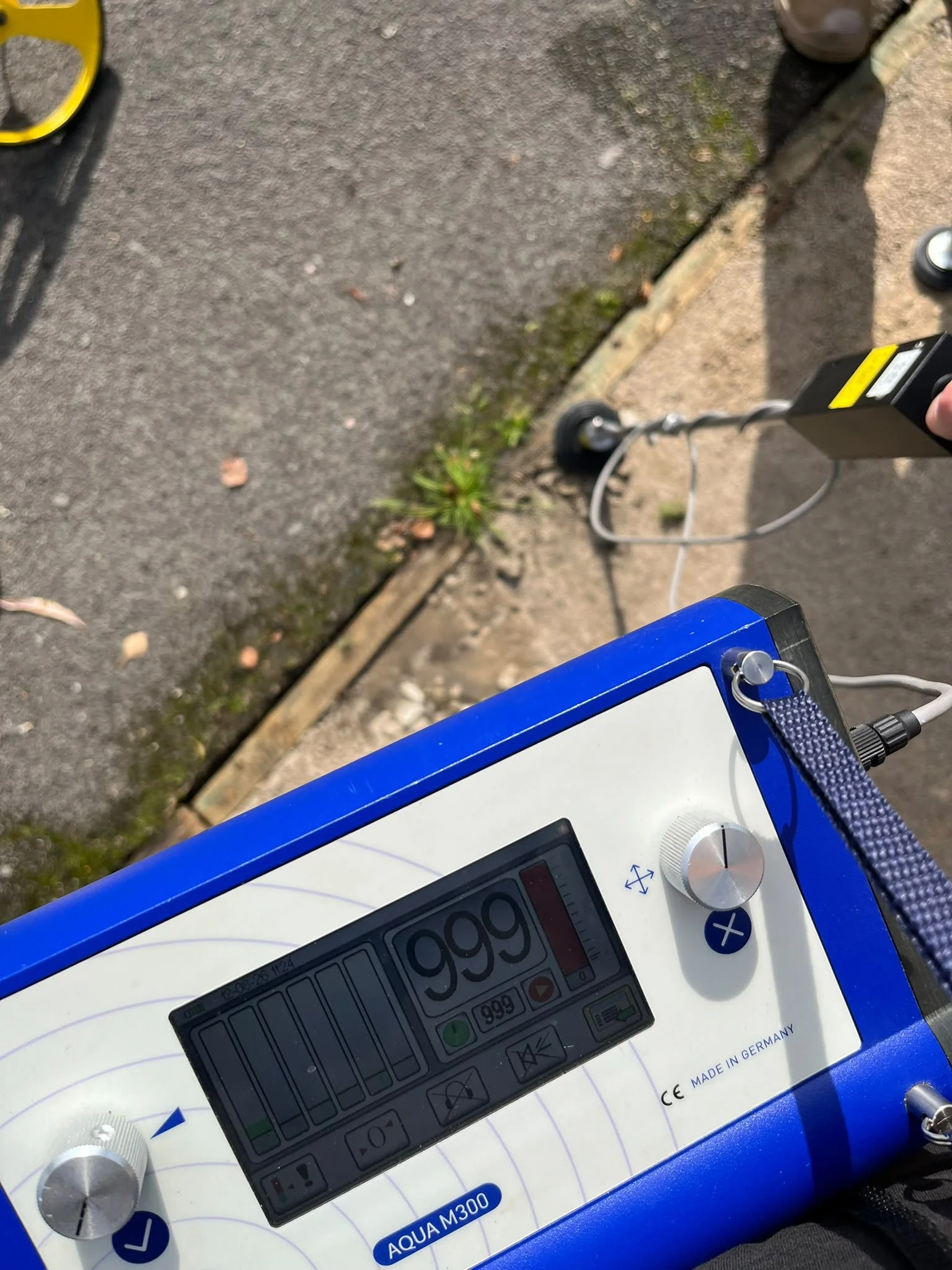
When is gas tracer useful?
Finding leaks beneath floors
Locating underground mains water leaks
Investigating central heating leaks
Finding leaks behind walls
Locating very small leaks
Confirming an acoustic investigation
Investigating beneath driveways and roads
When visible signs don't reveal the source
How does Maystone use gas tracer for leak detection?
Our engineers use tracer gas to investigate leaks across a wide range of pressurised pipework, including mains water supplies, hot and cold water pipes and central heating systems.
The relevant pipework is prepared for testing and a specialist hydrogen and nitrogen tracer gas mixture is introduced under controlled pressure. Our engineers then use sensitive detection equipment to survey the suspected area and identify where the gas is escaping.
We will often combine tracer gas testing with acoustic profiling and other leak detection technologies. Comparing the findings from different methods helps us build a clearer picture of the leak location before recommending targeted access or repairs.
Benefits & limitations of gas tracer leak detection:
Highly accurate
Detects very small leaks
Non-destructive
Suitable for different pipe systems
Ideal for concealed pipework
Quick and efficient
Specialist detection method
Safe when professionally used
Gas may not emerge directly above the leak
Tracer gas follows the easiest route to the surface. Tightly fitted, glued or non-porous modern flooring can cause the gas to travel beneath the floor and emerge at a nearby joint, edge or other available exit point.
Building construction can affect results
Different layers and materials can influence how tracer gas travels, so readings need to be interpreted alongside an understanding of the property's construction.
May require other detection methods
Tracer gas is highly effective, but it is not relied upon in isolation in every investigation. Acoustic profiling, pressure testing or other technologies may be used to confirm the findings.
Why we combine technologies
At Maystone Leak Detection, we understand that every leak is different, which is why we never rely on a single detection method in isolation. While each technology has its own strengths, combining multiple techniques allows our engineers to build a clearer picture of what is happening within your property.
By comparing the results from advanced technologies such as thermal imaging, acoustic listening, moisture mapping, tracer gas testing and other specialist methods, we can accurately confirm the source of a leak before recommending any repairs.
This approach helps us provide a more accurate diagnosis, reduce unnecessary disruption and ensure the right solution is used for your specific situation.
Our leak detection technologies include:
Common Questions about gas tracer for leak detection:
-
Gas tracer leak detection involves introducing a specialist gas mixture into pipework and using sensitive equipment to detect where it escapes. Because the gas molecules are very small, they can escape through tiny defects in a leaking pipe and travel through porous materials towards the surface.
-
The specialist hydrogen and nitrogen tracer gas mixture used for professional leak detection is introduced into the pipework in a controlled manner. Our experienced engineers assess the system and carry out the test using equipment specifically designed for leak detection.
-
Yes. Tracer gas is particularly useful for investigating leaks beneath concrete, screed and other difficult-to-access surfaces. Escaping gas can travel through porous building materials, allowing our engineers to detect it from above without immediately excavating the floor.
-
Tracer gas can be a very accurate method of narrowing down hidden leaks. However, gas naturally follows the easiest route to the surface, so the highest reading may not always be directly above the damaged pipe. Our engineers interpret the readings alongside the construction of the property and often combine tracer gas with acoustic profiling or other technologies to confirm the leak location.
Why choose Maystone?
Advanced technology. Experienced engineers. Accurate results.
Finding a hidden leak requires more than specialist equipment. It takes experience, knowledge and the right combination of technologies to accurately identify the source while minimising disruption to your property.
Experienced Leak Detection Engineers
Specialists in locating hidden leaks across domestic and commercial properties.

Advanced Detection Technology
Using thermal imaging, acoustic listening, tracer gas, moisture mapping and more to pinpoint leaks accurately.
Minimal Disruption
Non-invasive detection methods designed to avoid unnecessary damage.
Insurance-Friendly Reports
Clear, detailed reports to support insurance claims where required.
Residential & Commercial Expertise
Trusted by homeowners, landlords, businesses and property managers.
Five-Star Customer Service
Honest advice, clear communication and accurate leak detection trusted by our customers.