
Smoke Testing Leak Detection
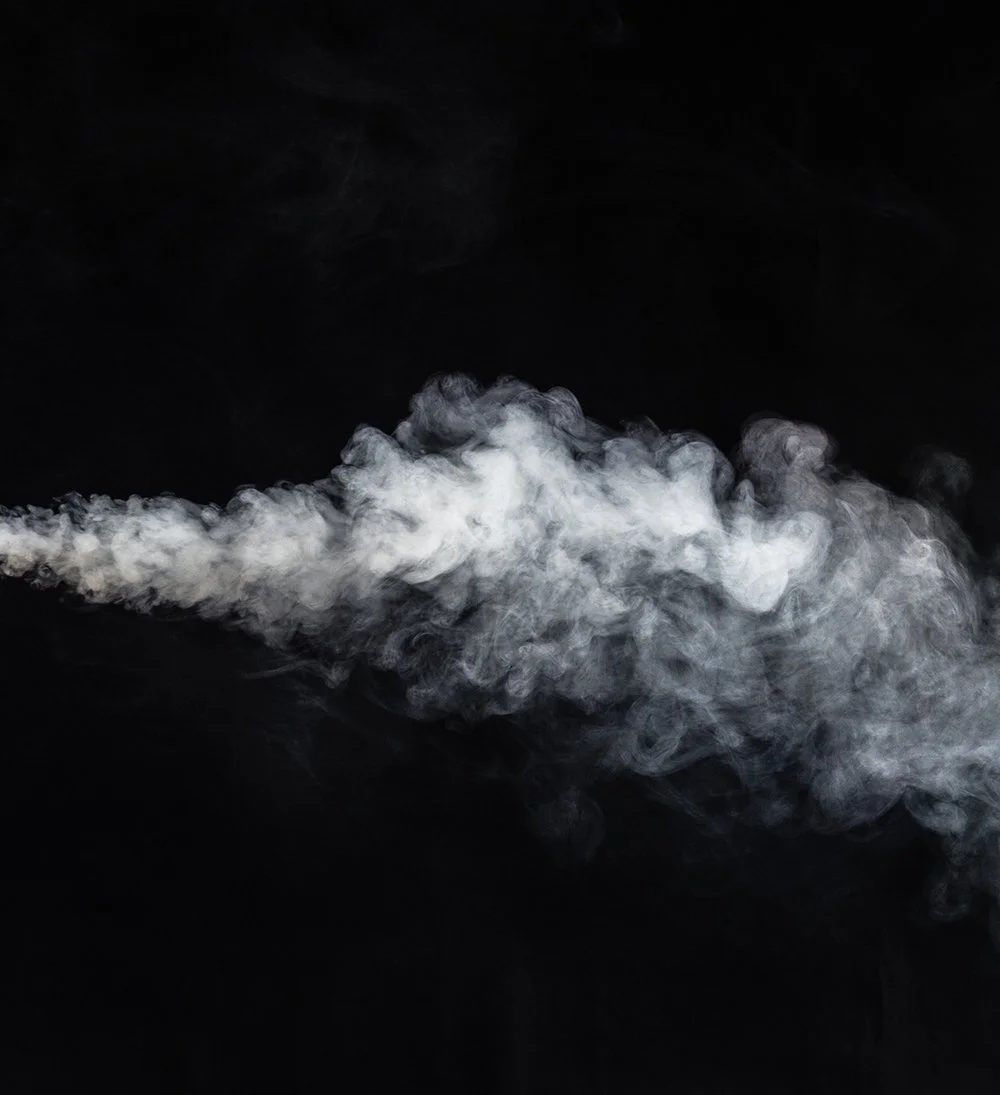
Smoke testing is a specialist method used to identify hidden defects that allow water to enter a building. It works by introducing a safe, visible smoke into a sealed area, such as a roof space, ceiling void or floor cavity, and monitoring where the smoke escapes.
By identifying the points where smoke exits the structure, our engineers can locate potential areas where water may be entering. Smoke testing is often used alongside other inspection methods, such as borescope camera inspections, to investigate hard-to-reach areas without unnecessary disruption.
Technology:
Smoke Testing
Best for: Identifying hidden defects within roofs, facades, windows and building structures.
Invasive or Non-invasive: Non-invasive
Detects: Small defects and openings where water may be entering a building.
Used alone or with another technology? Used alone or with Borescope camera inspection.
Suitable for: Domestic & commercial properties.
When is smoke testing useful?
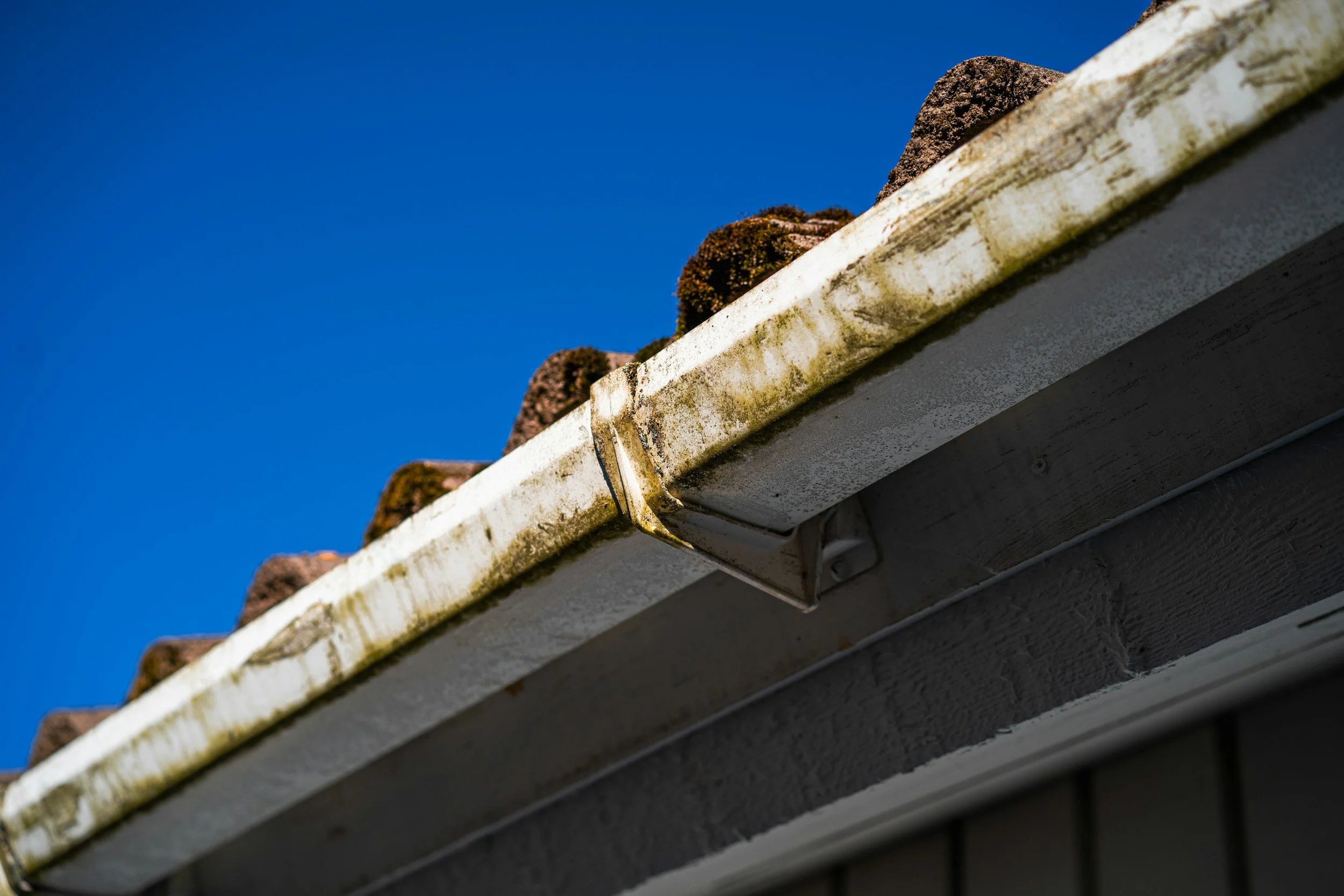
Flat roof leak detection
Pitched roof leak detection
Facade leak detection
Cladding leak detection
Balcony leak detection
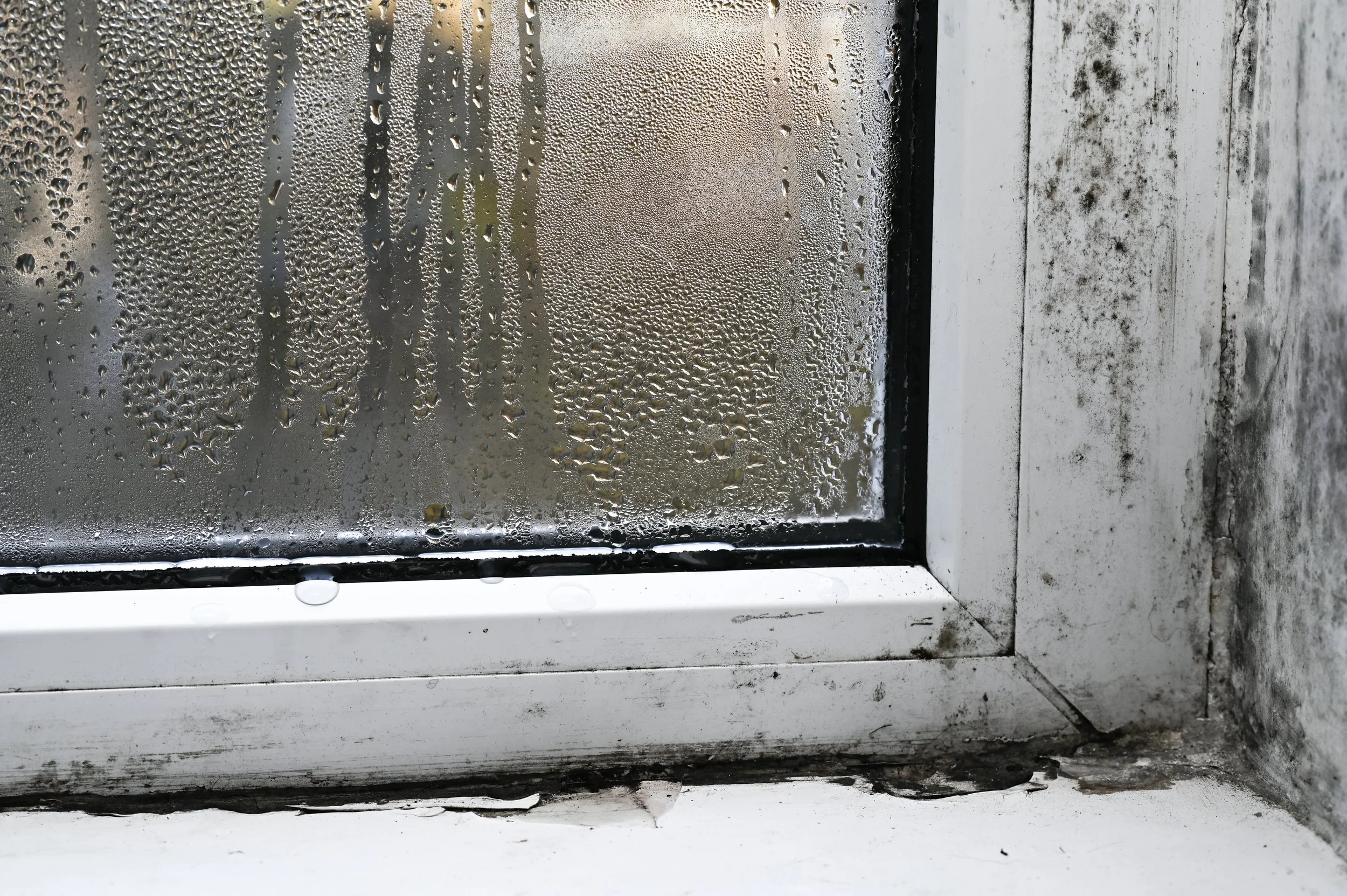
Window leak detection
Building defect investigations
Hard-to-access areas
How does Maystone use smoke testing for leak detection?
Smoke testing allows our engineers to recreate potential leak pathways in a controlled way. We introduce safe smoke into a sealed area, such as a roof space, ceiling void or floor cavity, and monitor the exterior of the building to identify where the smoke escapes.
The point where smoke exits can indicate where water may be entering during rainfall or exposure to moisture. In some cases, we create a temporary sealed area around a suspected defect, such as an internal window, to allow more accurate testing.
Benefits & limitations of smoke testing leak detection:
Finds defects too small to see
Reaches areas other methods can't
Clean testing method
Usually non-destructive
Helps locate hidden leak pathways
Works well alongside other technologies
Wind can affect results,
External conditions may disperse smoke before the escape point can be identified.
May require access points,
In some cases, a small opening may be needed to introduce smoke into the test area.
Large spaces can reduce accuracy,
Smoke can disperse across bigger voids, making the escape point harder to identify.
Why we combine technologies
At Maystone Leak Detection, we understand that every leak is different, which is why we never rely on a single detection method in isolation. While each technology has its own strengths, combining multiple techniques allows our engineers to build a clearer picture of what is happening within your property.
By comparing the results from advanced technologies such as thermal imaging, acoustic listening, moisture mapping, tracer gas testing and other specialist methods, we can accurately confirm the source of a leak before recommending any repairs.
This approach helps us provide a more accurate diagnosis, reduce unnecessary disruption and ensure the right solution is used for your specific situation.
Our leak detection technologies include:
Common Questions about smoke testing for leak detection:
-
Smoke testing is a method used to identify hidden defects by introducing a safe, visible smoke into a sealed area and monitoring where it escapes. The escape point can indicate where water may be entering the building.
-
Smoke testing is commonly used to investigate structural leaks affecting flat roofs, pitched roofs, balconies, facades, cladding, windows and other areas where water ingress may occur.
-
Yes. Smoke testing uses a safe, non-toxic smoke and is a clean testing method that does not introduce water into the structure, reducing the risk of secondary damage.
-
Yes. Smoke testing can help identify very small defects and hidden openings that may not be visible during a standard inspection or accessible using other methods.
-
Smoke testing is usually non-destructive, although in some cases a small access point may be required to introduce the smoke into a sealed area.
Why choose Maystone?
Advanced technology. Experienced engineers. Accurate results.
Finding a hidden leak requires more than specialist equipment. It takes experience, knowledge and the right combination of technologies to accurately identify the source while minimising disruption to your property.
Experienced Leak Detection Engineers
Specialists in locating hidden leaks across domestic and commercial properties.

Advanced Detection Technology
Using thermal imaging, acoustic listening, tracer gas, moisture mapping and more to pinpoint leaks accurately.
Minimal Disruption
Non-invasive detection methods designed to avoid unnecessary damage.
Insurance-Friendly Reports
Clear, detailed reports to support insurance claims where required.
Residential & Commercial Expertise
Trusted by homeowners, landlords, businesses and property managers.
Five-Star Customer Service
Honest advice, clear communication and accurate leak detection trusted by our customers.