
Structural Leak Detection
Accurately locating hidden water leaks affecting your building without unnecessary disruption.
Hidden water leaks can cause significant damage to the structure of a property if left undetected. Water can travel through walls, floors, ceilings and other building materials, potentially leading to damp, mould, deterioration and costly repairs. At Maystone Leak Detection, our experienced engineers use advanced leak detection technology to locate hidden leaks and sources of water ingress quickly and accurately, helping you avoid unnecessary disruption and damage.
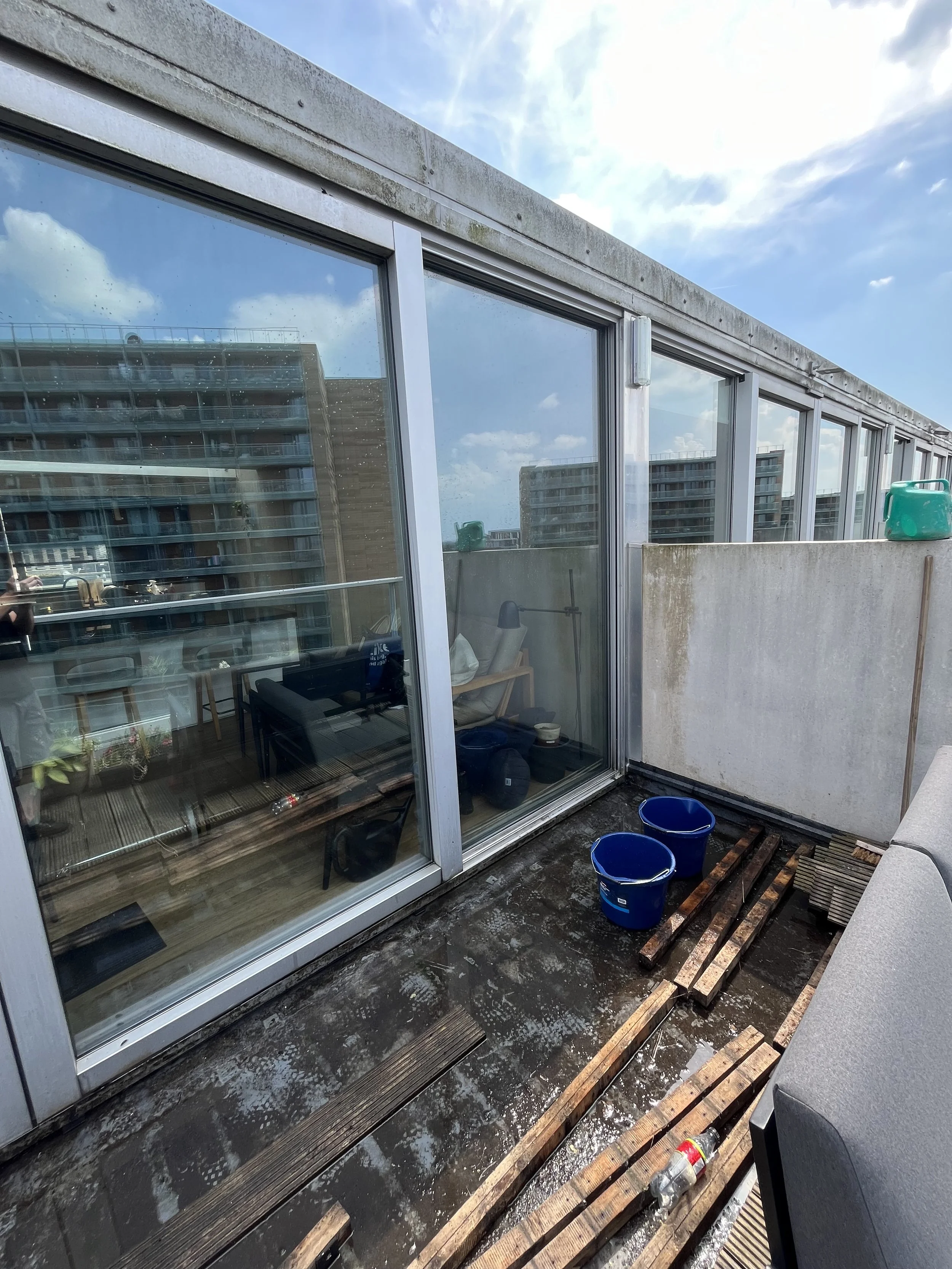
At a glance:
Structural leak detection
Best for:
Finding hidden leaks and water ingress affecting walls, floors, ceilings, structural areas and concealed pipework.
Common signs:
Persistent damp patches
Cracks or staining caused by moisture
Mould or musty smells
Damp walls or ceilings
Water ingress with no obvious source
Deteriorating plaster or finishes
Repeated or unexplained water damage
Detection methods used:
Thermal Imaging | Acoustic Profiling | Tracer Gas | Moisture Mapping
Suitable for:
Domestic & commercial properties
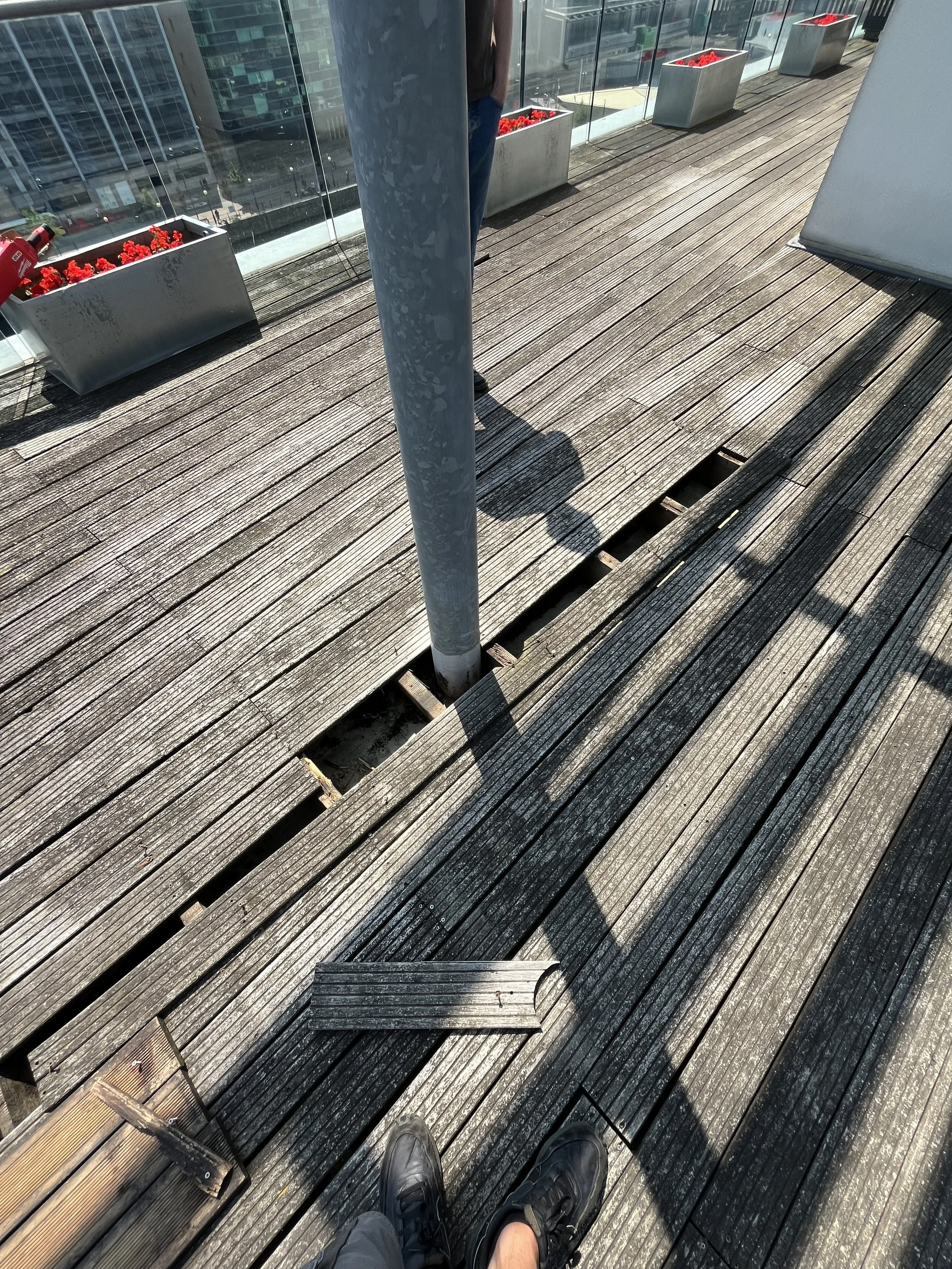


What is structural leak detection?
Structural leak detection is the process of identifying the source of hidden water leaks and moisture affecting a building’s structure or surrounding areas. Leaks can occur within concealed pipework, walls, floors, ceilings, roofs or other parts of a property, making them difficult to identify through visual inspection alone.
Water can travel through masonry, concrete, timber, insulation and other building materials before becoming visible. This means the location of a damp patch may not be the location of the original leak.
Using specialist equipment and years of experience, our engineers assess the affected areas and investigate the likely source of water ingress, helping to identify where the problem originates so repairs can be targeted accurately.
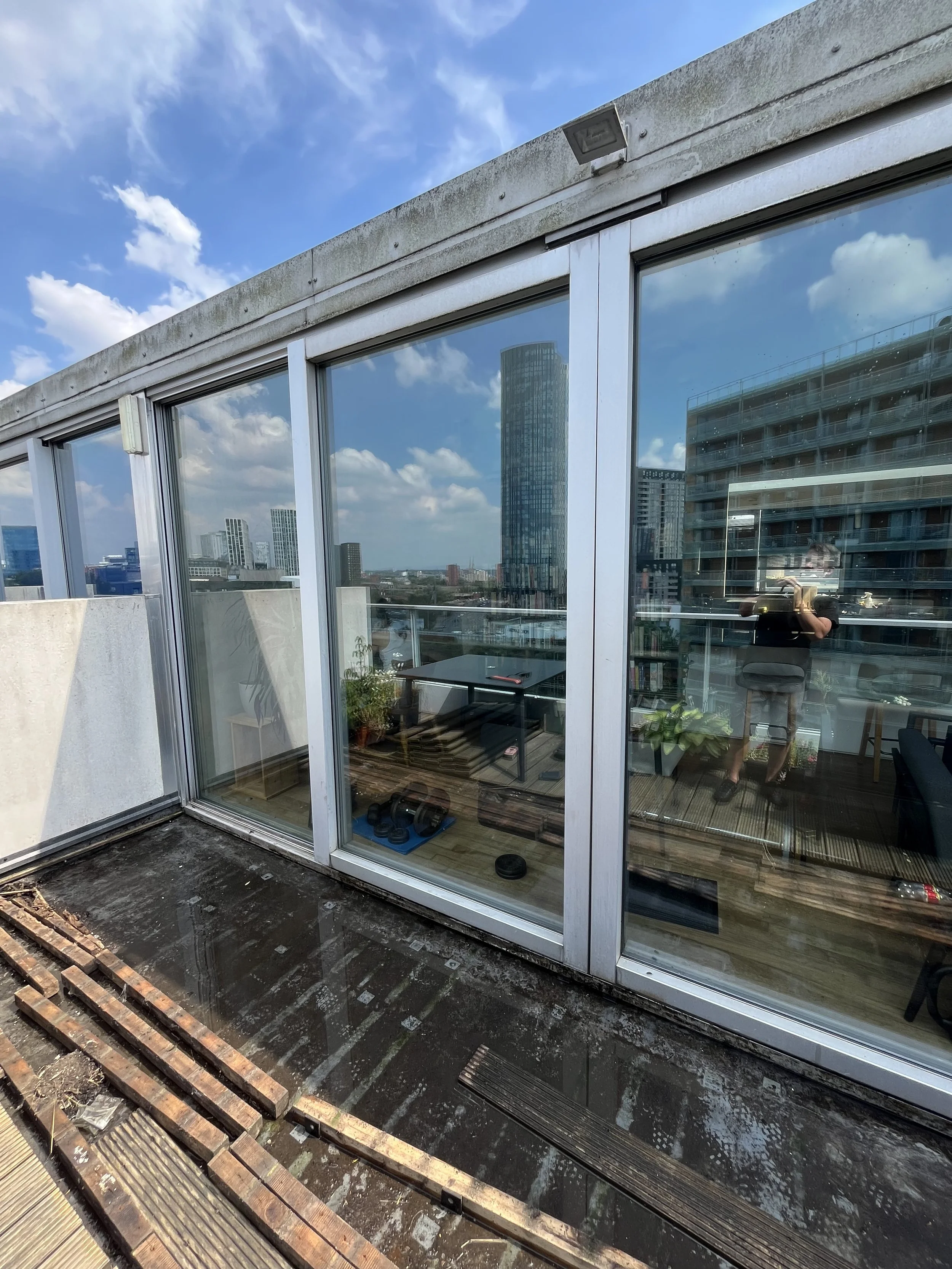
Signs you may have a structural leak
-
Damp areas that repeatedly appear on walls, ceilings or floors may indicate an ongoing or concealed water leak.
-
Brown marks, tide marks and other staining can indicate previous or ongoing water ingress.
-
Persistent moisture can contribute to deterioration of plaster, finishes and other building materials.
-
Hidden moisture can create conditions that encourage mould growth and produce persistent musty smells.
-
If water or dampness is appearing but there is no visible leaking pipe, appliance or fitting, specialist investigation may be required.
-
If an area continues to become damp despite previous repairs, the original source of the leak may not have been accurately identified.
Common causes of structural leaks:
Water ingress and hidden leaks can be caused by a range of issues, including:
Failed or damaged pipework
Leaking concealed plumbing
Deteriorating joints and connections
Roof and weather-related water ingress
Failed seals and membranes
Damaged drainage systems
Groundwater ingress
Defective waterproofing
Ageing building materials
Movement or damage to the building
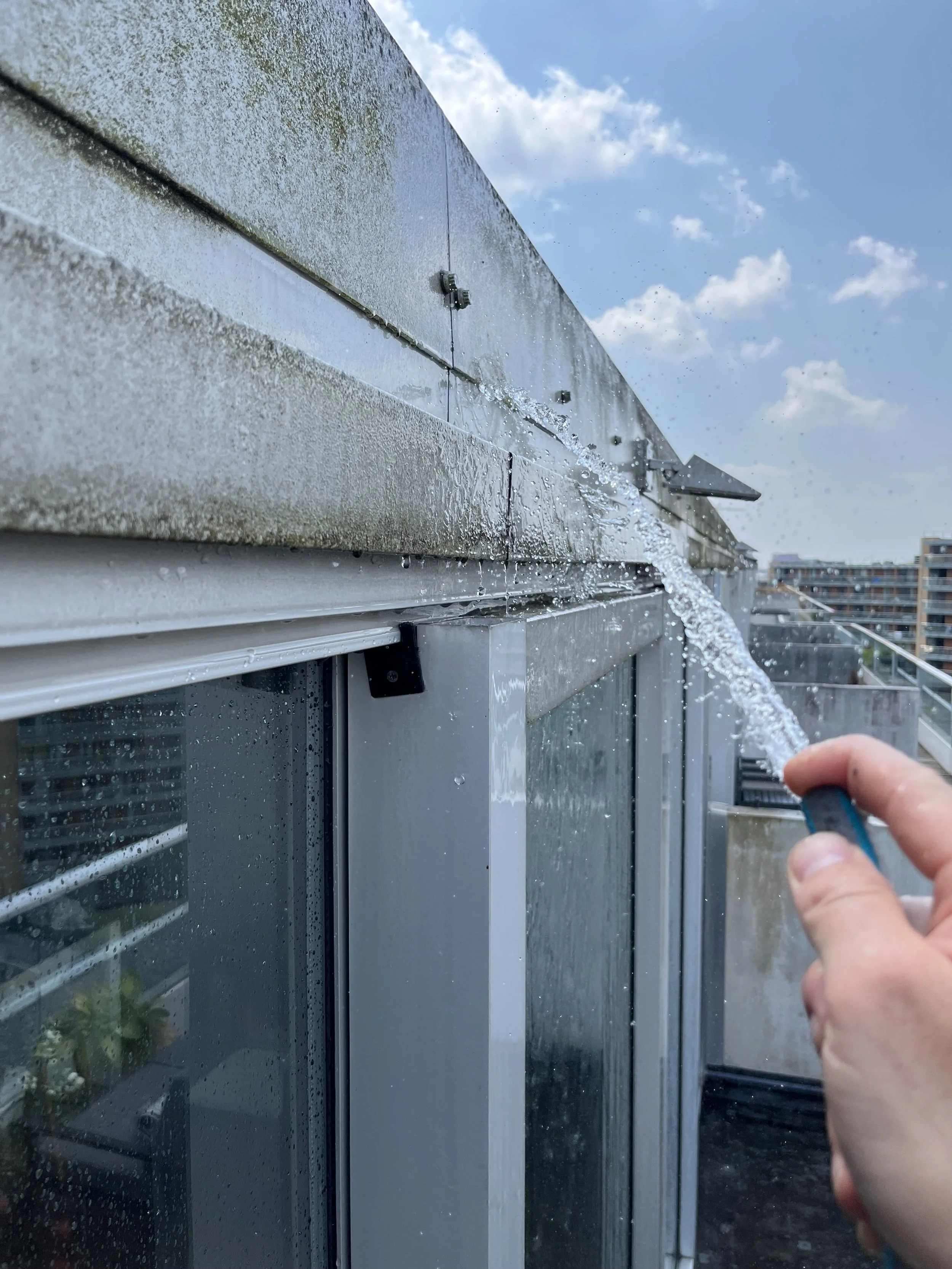
How does Maystone detect structural leaks?
Identifying the source of water affecting a building can be challenging because moisture does not always travel directly from the leak to the visible area of damage.
Our engineers begin with a detailed assessment of the affected areas, building layout and reported symptoms before selecting the most appropriate detection methods.
Our leak detection methods include:
Thermal Imaging
Identifying temperature differences that can help highlight areas of moisture and potential water movement within walls, ceilings and floors.
Acoustic Detection
Listening for sounds produced by escaping water within concealed pipework and plumbing systems.
Tracer Gas
Using tracer gas to help identify difficult-to-find leaks within suitable sealed water systems where conventional methods may be less effective.
Moisture Mapping
Measuring moisture levels across affected areas to establish the extent and distribution of moisture and help identify the likely source.
By combining specialist technology with practical experience, we aim to trace water back towards its source while minimising unnecessary damage to the property.
Why choose specialist structural leak detection?
Locate hidden sources of water ingress
Avoid unnecessary opening of walls and floors
Identify the source before repair work begins
Assess the extent of moisture affecting an area
Help prevent further water damage
Reduce unnecessary repair costs
Investigate persistent or recurring damp problems
Provide evidence for insurance claims
Why we combine technologies
At Maystone Leak Detection, we understand that every leak is different, which is why we never rely on a single detection method in isolation. While each technology has its own strengths, combining multiple techniques allows our engineers to build a clearer picture of what is happening within your property.
By comparing the results from advanced technologies such as thermal imaging, acoustic listening, moisture mapping, tracer gas testing and other specialist methods, we can accurately confirm the source of a leak before recommending any repairs.
This approach helps us provide a more accurate diagnosis, reduce unnecessary disruption and ensure the right solution is used for your specific situation.
Our leak detection technologies include:
FAQs about structural leak detection:
-
A structural leak generally refers to hidden water ingress or a leak that is affecting areas of a building such as walls, floors, ceilings or other structural and surrounding materials. The source may be concealed within pipework, roofing, drainage or another part of the property.
-
Persistent damp patches, staining, mould, musty smells, deteriorating plaster and recurring water damage can all indicate a hidden leak. Specialist leak detection can help establish whether water is entering from concealed pipework or another source.
-
Yes. Specialist techniques such as thermal imaging, acoustic detection, tracer gas and moisture mapping can help investigate concealed leaks without immediately opening walls or lifting floors.
-
Prolonged water ingress can contribute to deterioration of building materials and finishes. Identifying and addressing the source of moisture early can help reduce the risk of further damage.
-
Yes. Water can travel through walls, floors and ceilings before becoming visible. Leak detection and moisture mapping can help trace the affected area back towards the likely source.
-
Many leak detection techniques are non-invasive and can be used to investigate an area before any destructive investigation is considered. This can help minimise unnecessary damage during the detection process.
-
The time required depends on the size and construction of the property, the extent of the affected area and the complexity of the suspected leak. Our engineers assess the situation and select the most appropriate detection methods to investigate the source efficiently.
-
Once the source and affected area have been identified, the cause can be assessed and appropriate repair work planned. Accurate leak detection helps ensure that repairs are focused on the source of the problem rather than unnecessarily disturbing unaffected areas.
Why choose Maystone?
Advanced technology. Experienced engineers. Accurate results.
Finding a hidden leak requires more than specialist equipment. It takes experience, knowledge and the right combination of technologies to accurately identify the source while minimising disruption to your property.
Experienced Leak Detection Engineers
Specialists in locating hidden leaks across domestic and commercial properties.

Advanced Detection Technology
Using thermal imaging, acoustic listening, tracer gas, moisture mapping and more to pinpoint leaks accurately.
Minimal Disruption
Non-invasive detection methods designed to avoid unnecessary damage.
Insurance-Friendly Reports
Clear, detailed reports to support insurance claims where required.
Residential & Commercial Expertise
Trusted by homeowners, landlords, businesses and property managers.
Five-Star Customer Service
Honest advice, clear communication and accurate leak detection trusted by our customers.