
Pipe Camera Leak Detection
Pipe inspection cameras allow our engineers to visually examine the inside of suitable water pipework, helping identify visible defects, assess pipe condition and investigate suspected leaks.
At Maystone Leak Detection, we use specialist cameras that can be inserted into certain live water pipes, providing a real-time view of the pipe's internal condition. This can help us identify deterioration, damage, connections and other defects that would otherwise remain concealed.
Pipe cameras can also help establish the route of unknown underground pipework. When used alongside suitable CAT & Genny locating equipment, our engineers may be able to trace the camera's position from above ground, helping locate the pipe route and identify the position of visible defects.
This technology can provide valuable information while reducing the need for unnecessary excavation, although access and suitability depend on the pipe's size, layout and condition.
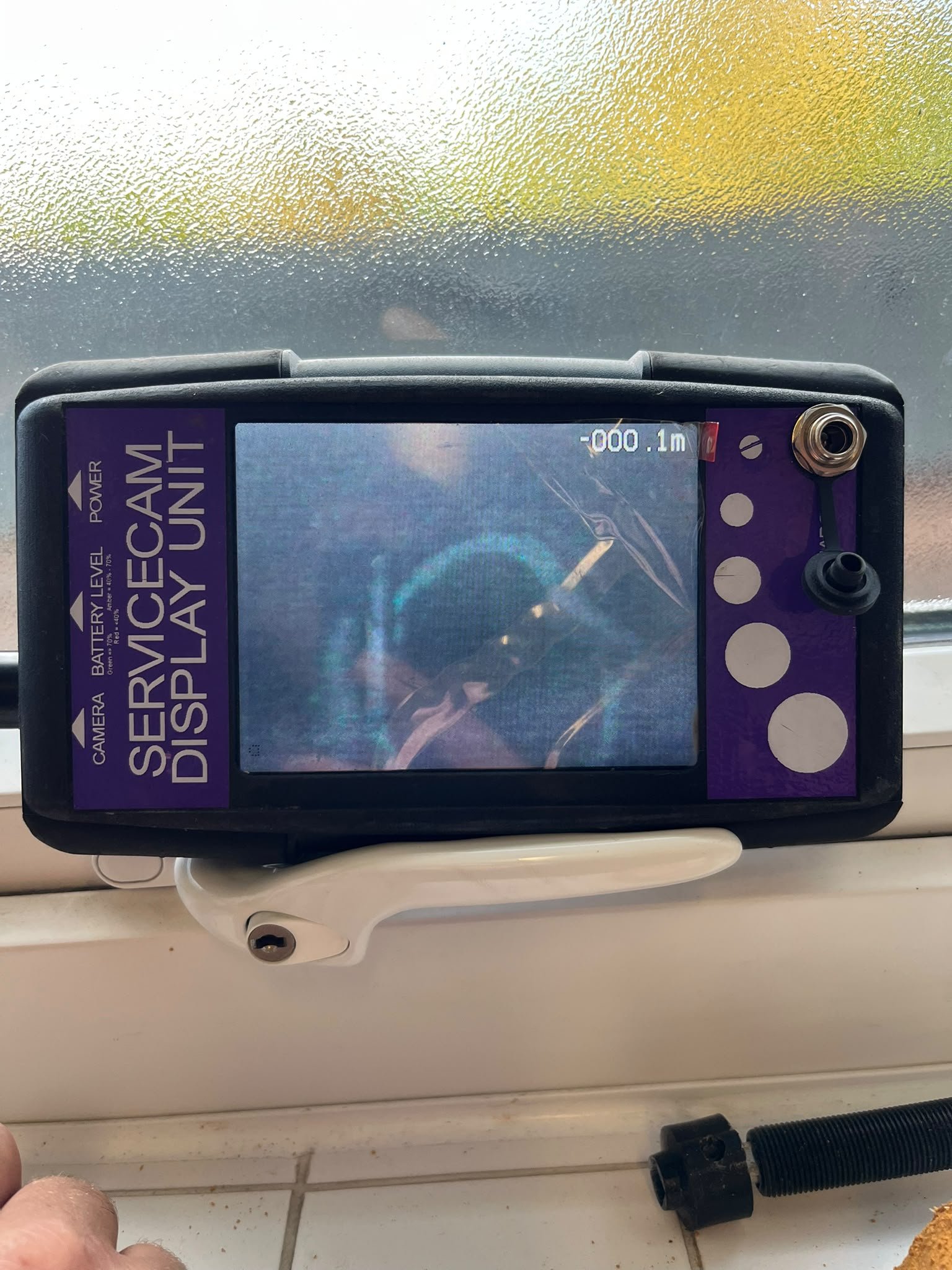
Technology:
Pipe Cameras
Best for: Visually inspecting the condition and route of hidden water pipework.
Invasive or Non-invasive: Minimally invasive where a suitable entry point exists; excavation may be needed to gain access.
Detects: Investigates visible leaks and defects, pipe condition, materials and routes.
Often used with along side: Often used alongside CAT & Genny locating equipment, where compatible.
Suitable for: Domestic & commercial properties.
How do pipe inspection cameras work?
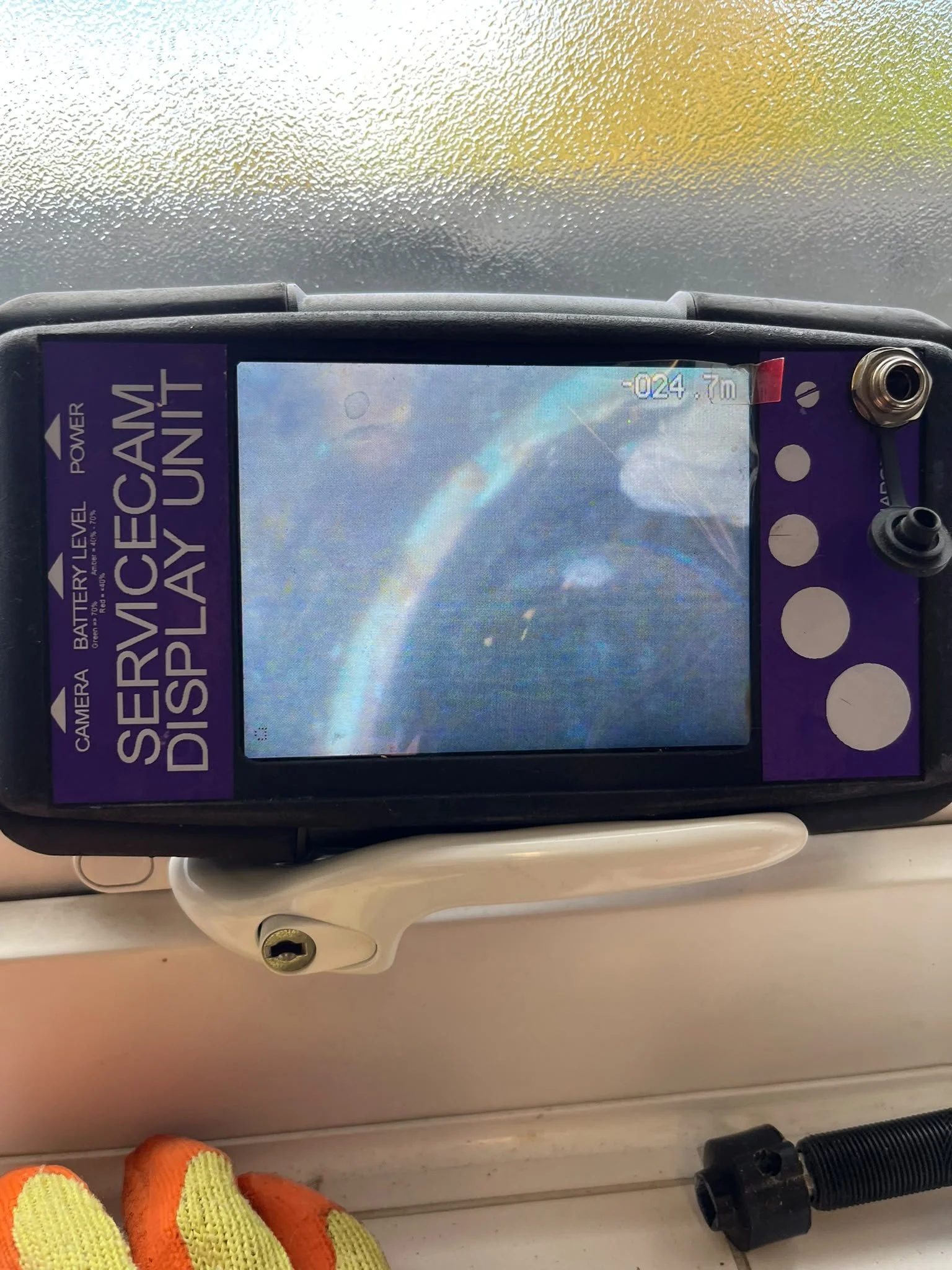
A specialist pipe inspection camera is inserted into suitable pipework through an accessible entry point. As the camera moves through the pipe, it transmits a live image to a viewing screen, allowing our engineers to assess its internal condition.
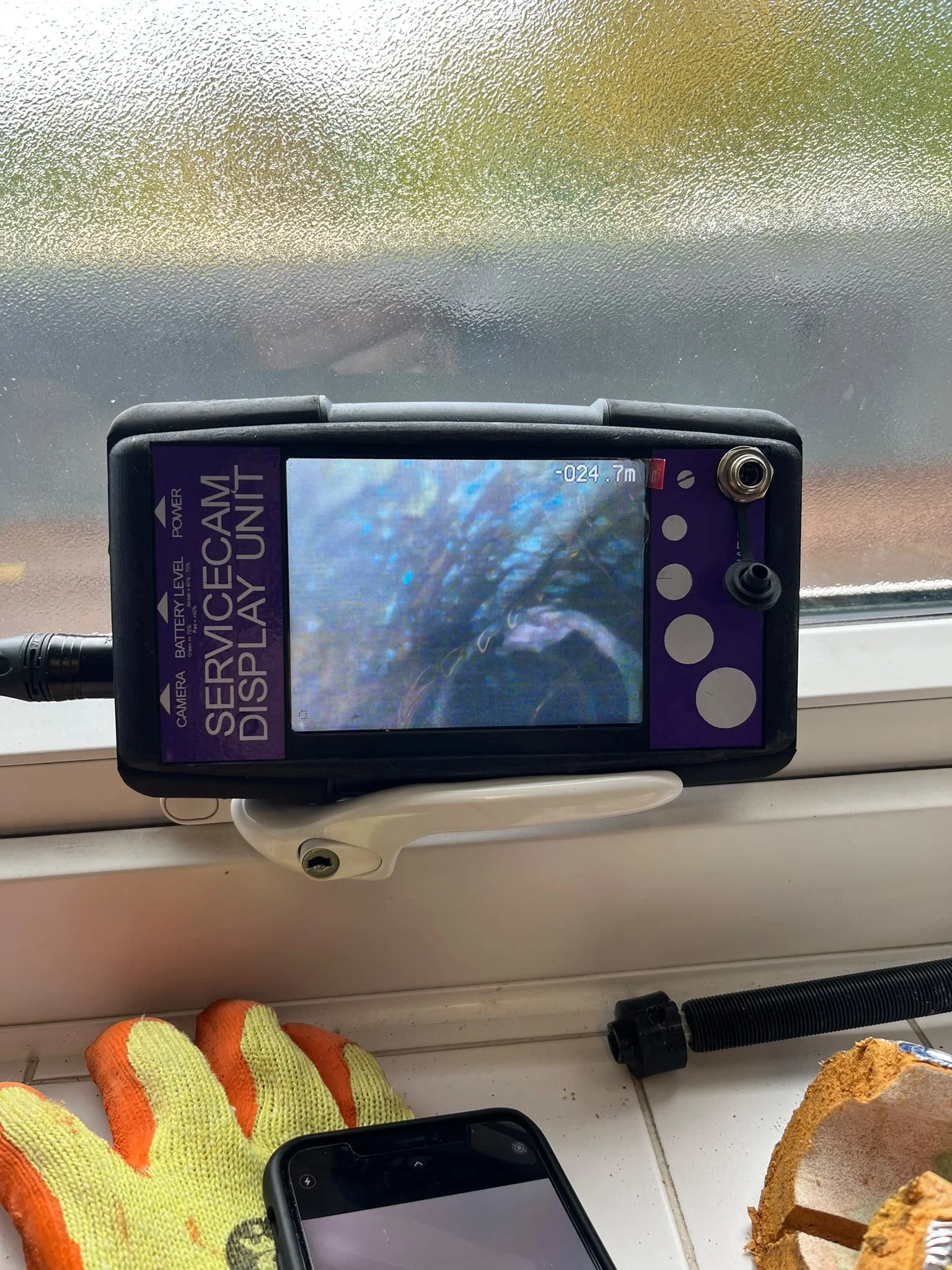
Depending on the equipment and installation, pipe cameras can help identify visible defects, changes in pipe material, connections and signs of deterioration. Our cameras can also record the distance travelled, helping establish the approximate position of a suspected problem.
Where compatible locating equipment is used, the position of the camera or an associated transmitter may also be traced from above ground. This can help establish the route of concealed pipework and guide any necessary excavation or repairs.
The effectiveness of the inspection depends on the pipe diameter, layout, accessibility and internal condition.
When are pipe cameras useful?
When the route of a pipe is unknown
When the pipe material is unknown
Identifying internal pipe defects
Pinpointing the location of a leak
Measuring the distance to a problem
Investigating unknown pipe connections and routes
Proactive pipe inspections
Reducing unnecessary excavation
How do Maystone use pipe cameras for leak detection?
Our engineers insert a specialist inspection camera into suitable water pipework through an accessible entry point. Where the equipment and installation permit, the camera can be used within live pipework to provide a real-time view of its internal condition.
As the camera travels through the pipe, we inspect for visible damage, deterioration, defective connections and other potential problems. Where supported by the equipment, we can also measure the distance travelled from the insertion point.
If the pipe route is unknown, we may combine camera inspection with compatible CAT & Genny locating equipment to establish the position of the pipe from above ground.
This information can help identify areas requiring further investigation and guide targeted access or repairs, reducing unnecessary excavation where possible.
Benefits and limitations of pipe camera leak detection:
Provides a direct visual inspection
Identifies visible leaks and defects
Accurately traces pipe routes
Measures the distance to the problem
Can inspect live pipework
Reduces unnecessary excavation
Cost-effective investigation
Useful for proactive leak detection
Requires an entry point
The camera must be physically inserted into the pipework. If there is no suitable accessible point above ground, a small excavation may be required to expose the pipe.
Not suitable for every pipe layout
The diameter, condition and configuration of the pipe can affect whether the camera can be successfully inserted.
Bends and obstructions can restrict access
Tight bends, valves, fittings, deposits or internal damage may prevent the camera from travelling further through the pipe.
Only identifies visible defects
The camera provides a visual inspection of the pipe interior. Some very small leaks or defects may therefore require another leak detection technology to confirm their presence or location.
When do we use pipe inspection cameras?
Pipe inspection cameras can be particularly useful when the route, material or internal condition of concealed pipework is unknown.
At Maystone Leak Detection, we may use this technology during:
Pipe Tracing
Helping establish the route and position of suitable underground or concealed water pipes, particularly when combined with compatible locating equipment.
Water Mains Leak Detection
Investigating the internal condition of accessible underground water supply pipes and helping locate suspected defects.
Commercial Leak Detection
Inspecting suitable pipework within commercial buildings and external water supply networks.
Domestic Leak Detection
Investigating concealed household water pipes where a suitable access point is available.
Why we combine technologies
At Maystone Leak Detection, we understand that every leak is different, which is why we never rely on a single detection method in isolation. While each technology has its own strengths, combining multiple techniques allows our engineers to build a clearer picture of what is happening within your property.
By comparing the results from advanced technologies such as thermal imaging, acoustic listening, moisture mapping, tracer gas testing and other specialist methods, we can accurately confirm the source of a leak before recommending any repairs.
This approach helps us provide a more accurate diagnosis, reduce unnecessary disruption and ensure the right solution is used for your specific situation.
Our leak detection technologies include:
Common Questions about pipe cameras for leak detection:
-
A pipe camera inspection involves inserting a specialist camera directly into water pipework to provide a real-time view of its internal condition. This allows our engineers to inspect for leaks, damage, deterioration and other visible defects that cannot be seen from outside the pipe.
-
Yes, where the leak or defect is visible from inside the pipe. The camera can also help establish the distance to the problem and, when combined with specialist locating equipment, its physical position beneath the ground.
-
Yes. When used alongside CAT & Genny locating equipment, our engineers can trace the position of the camera from above ground. This is particularly useful where the route of underground or concealed pipework is unknown.
-
Not always. If a suitable pipe access point is already available, the camera may be inserted without excavation. Where there is no accessible entry point, a small area may need to be excavated to expose the pipe. The information gathered can then help minimise any further excavation required.
Why choose Maystone?
Advanced technology. Experienced engineers. Accurate results.
Finding a hidden leak requires more than specialist equipment. It takes experience, knowledge and the right combination of technologies to accurately identify the source while minimising disruption to your property.
Experienced Leak Detection Engineers
Specialists in locating hidden leaks across domestic and commercial properties.

Advanced Detection Technology
Using thermal imaging, acoustic listening, tracer gas, moisture mapping and more to pinpoint leaks accurately.
Minimal Disruption
Non-invasive detection methods designed to avoid unnecessary damage.
Insurance-Friendly Reports
Clear, detailed reports to support insurance claims where required.
Residential & Commercial Expertise
Trusted by homeowners, landlords, businesses and property managers.
Five-Star Customer Service
Honest advice, clear communication and accurate leak detection trusted by our customers.