
Moisture Mapping Leak Detection
Moisture mapping is a non-invasive method used to identify and track moisture within walls, floors, ceilings and other building materials. By taking readings across different areas of a property, our engineers can build a picture of where moisture is present, how far it has spread and where further leak investigation may be required.
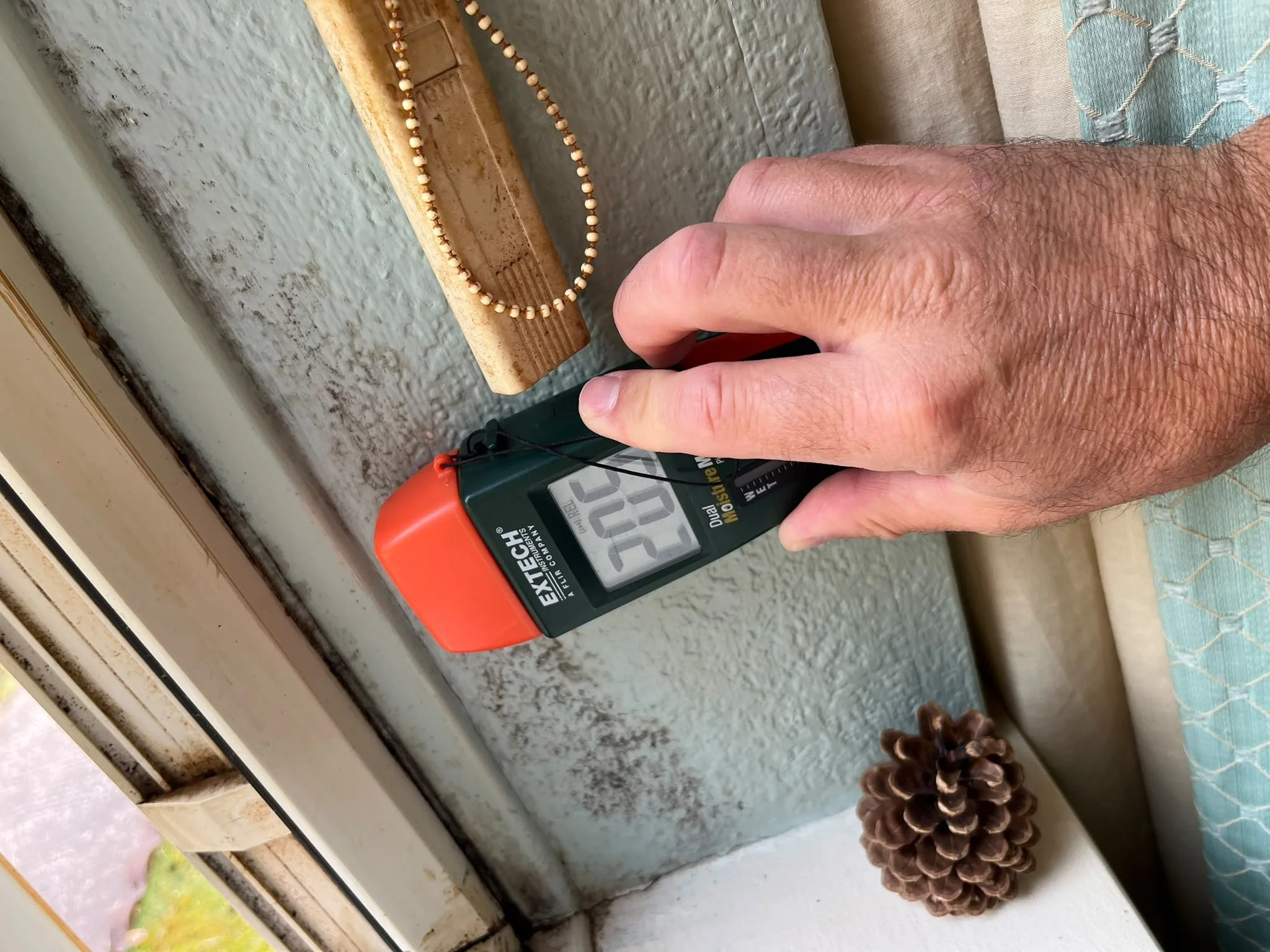
At Maystone Leak Detection, our engineers use specialist moisture meters to take readings across suspected wet or damp areas. Rather than relying on a single reading, we compare results from multiple points to create a moisture map of the affected area.
Areas showing higher readings can help direct our investigation towards the potential source of a leak or water ingress. Moisture mapping is commonly used alongside thermal imaging and other leak detection technologies to build a more complete picture of what is happening within the property.
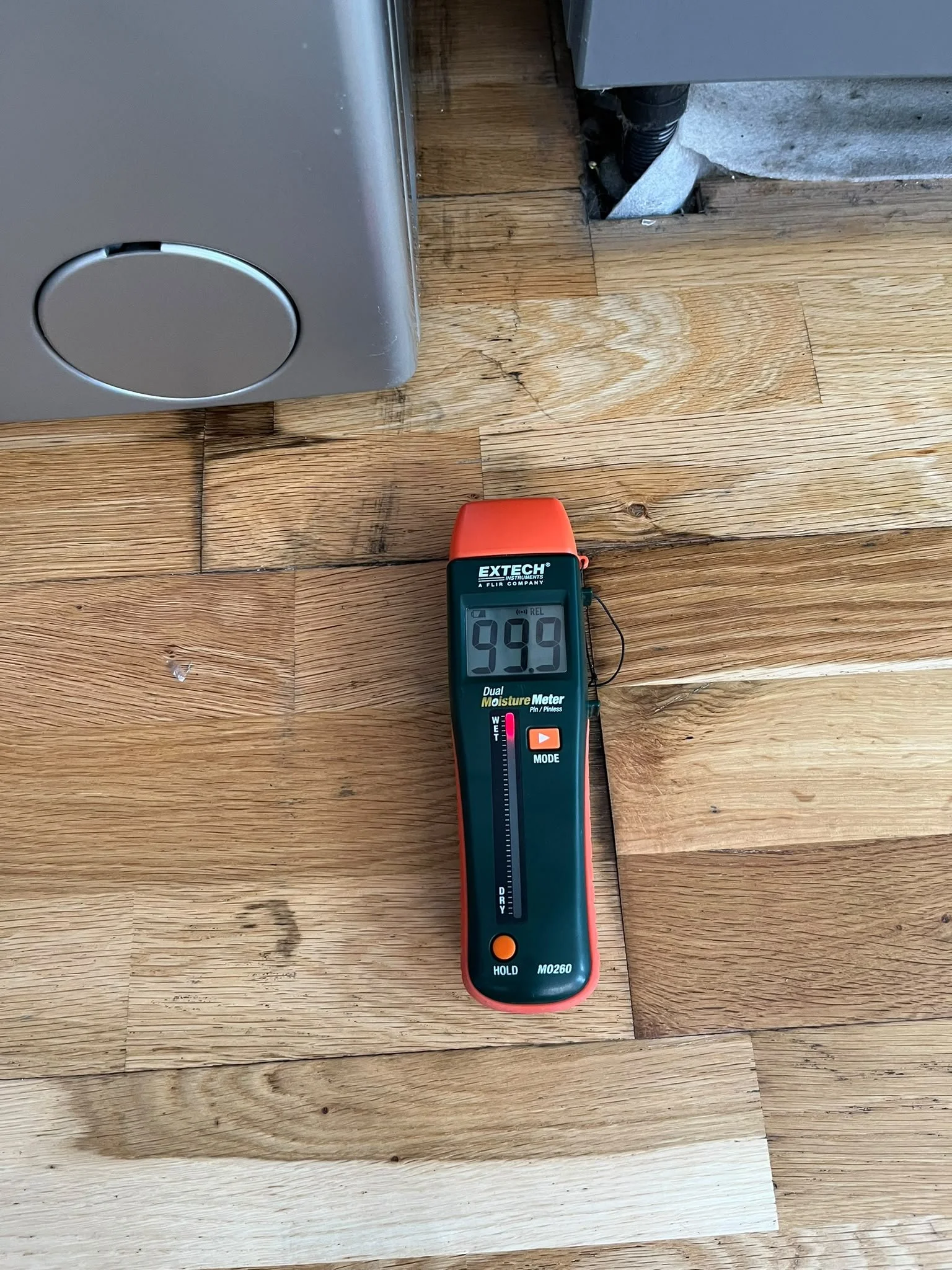
Technology:
Moisture Mapping
Best for: Identifying and mapping areas affected by hidden moisture or damp.
Invasive or Non-invasive: Non-invasive
Detects: Moisture within building materials
Used alone or with another technology? Thermal imaging and other specialist leak detection methods.
Suitable for: Domestic & commercial properties.
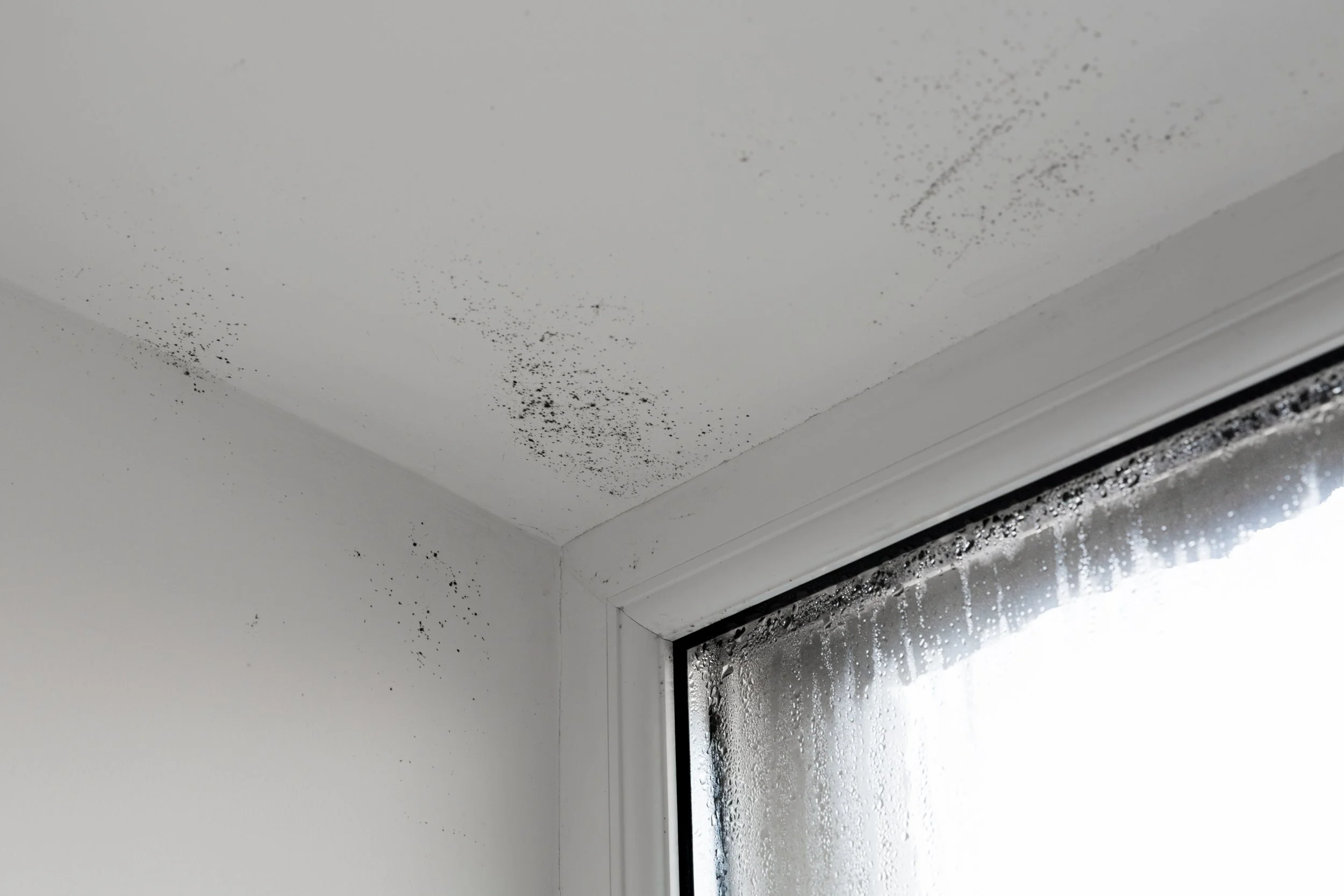
When is moisture mapping useful?
Understanding the spread of moisture
Identifying hidden water damage
Tracing moisture towards its source
Investigating damp walls
Checking floors and ceilings
Investigating water ingress
Assessing the extent of water damages
Supporting other leak detection methods
How does Maystone use moisture mapping for leak detection?
Our engineers take a series of moisture readings across the affected area to build a picture of both the spread and relative concentration of moisture within the surface. If one area produces significantly higher readings than those surrounding it, we can concentrate our investigation there.
We often compare moisture readings with thermal imaging and other specialist detection methods. This helps us distinguish between the visible signs of water damage and the potential source of the leak, allowing for a more accurate diagnosis with minimal disruption.
Benefits & limitations of moisture mapping leak detection:
Maps the spread of moisture
Identifies moisture you can't see
Non-invasive
Helps guide the investigation
Useful across different surfaces
Quick and efficient
Works alongside thermal imaging
Helps distinguish the extent of damage
Readings require expert interpretation
Moisture meter readings don't necessarily represent an exact percentage of water within a wall or surface. Different materials can produce different readings, so the results need to be interpreted in context.
Historic moisture can affect results
Previous water damage can sometimes produce elevated readings, particularly where materials have not dried or been treated correctly. This can give the impression of an active leak when the moisture may relate to an older problem.
Doesn't necessarily identify the source on its own
Moisture mapping shows where moisture is present and how it has spread, but further testing is often needed to establish exactly where the water is coming from.
Why we combine technologies
At Maystone Leak Detection, we understand that every leak is different, which is why we never rely on a single detection method in isolation. While each technology has its own strengths, combining multiple techniques allows our engineers to build a clearer picture of what is happening within your property.
By comparing the results from advanced technologies such as thermal imaging, acoustic listening, moisture mapping, tracer gas testing and other specialist methods, we can accurately confirm the source of a leak before recommending any repairs.
This approach helps us provide a more accurate diagnosis, reduce unnecessary disruption and ensure the right solution is used for your specific situation.
Our leak detection technologies include:
Common Questions about moisture mapping for leak detection:
-
Moisture mapping involves taking a series of readings across walls, floors, ceilings or other building materials to identify where moisture is present and how it has spread. These readings help our engineers build a clearer picture of the affected area and guide further investigation.
-
A moisture meter can identify areas affected by hidden moisture, which can provide important clues about the location of a leak. However, moisture can travel away from its original source, so we usually combine moisture mapping with other leak detection technologies to confirm where the water is coming from.
-
Moisture meters can help identify elevated moisture levels within building materials even when there are few visible signs of damp. The effectiveness of the reading depends on the material and circumstances, which is why results need to be professionally interpreted.
-
Not necessarily. Elevated moisture readings can sometimes be caused by historic water damage rather than an active leak. Our engineers consider the pattern of readings alongside thermal imaging, visual evidence and other detection methods to determine whether further investigation is required.
Why choose Maystone?
Advanced technology. Experienced engineers. Accurate results.
Finding a hidden leak requires more than specialist equipment. It takes experience, knowledge and the right combination of technologies to accurately identify the source while minimising disruption to your property.
Experienced Leak Detection Engineers
Specialists in locating hidden leaks across domestic and commercial properties.

Advanced Detection Technology
Using thermal imaging, acoustic listening, tracer gas, moisture mapping and more to pinpoint leaks accurately.
Minimal Disruption
Non-invasive detection methods designed to avoid unnecessary damage.
Insurance-Friendly Reports
Clear, detailed reports to support insurance claims where required.
Residential & Commercial Expertise
Trusted by homeowners, landlords, businesses and property managers.
Five-Star Customer Service
Honest advice, clear communication and accurate leak detection trusted by our customers.